Japan wagyu booking guide
What Travelers Should Know Before Booking Wagyu in Japan
A wagyu dinner can be a highlight of a Japan trip, but the word "wagyu" alone does not tell you what you are reserving, what the final cost may include, or whether the meal fits your travel day.
This guide is for the moment after you have found a wagyu restaurant that looks promising, but before you confirm the booking. That is the point where small details matter: course rules, deposits, seating, meal length, cancellation terms, children, dietary restrictions, and whether the reservation is actually confirmed.
It is not a ranking of wagyu restaurants. It is a practical checklist for travelers who want the meal to fit their real itinerary, not just their saved photos. Expensive beef can still be the wrong choice if the course is too long, the room is wrong for your group, the route is stressful, or the booking conditions are unclear.
Use this before entering card details, confirming a course, or relying on an automatic email from a booking platform.
“Wagyu” Does Not Tell You Exactly What You Are Booking
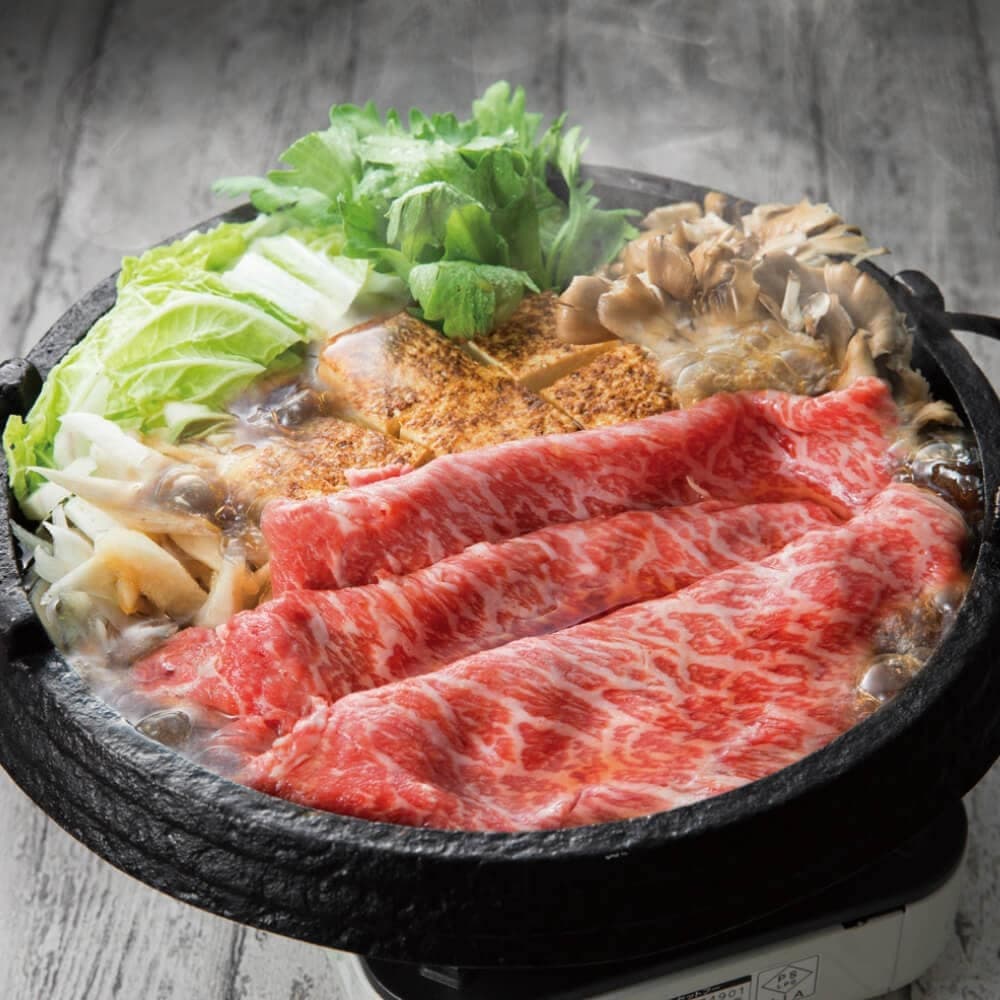
Wagyu describes Japanese beef. It does not describe the whole meal. Steak, yakiniku, sukiyaki, shabu-shabu, teppanyaki, and casual wagyu dishes can all appear under the same broad word, but the pacing, seating, service, portion, and ordering rules can be very different.
A famous brand name or origin label also does not confirm that the restaurant fits your trip. It may tell you something about the beef, but it does not tell you whether the course is right for children, whether the room is comfortable, how long the meal may take, or whether the total cost is clear.
If you are still deciding what kind of wagyu experience fits your trip, start with our guide to choosing a wagyu dinner in Japan. This page focuses on what to confirm once a restaurant looks like a possible booking.
Check Whether You Are Booking a Course or Just a Seat
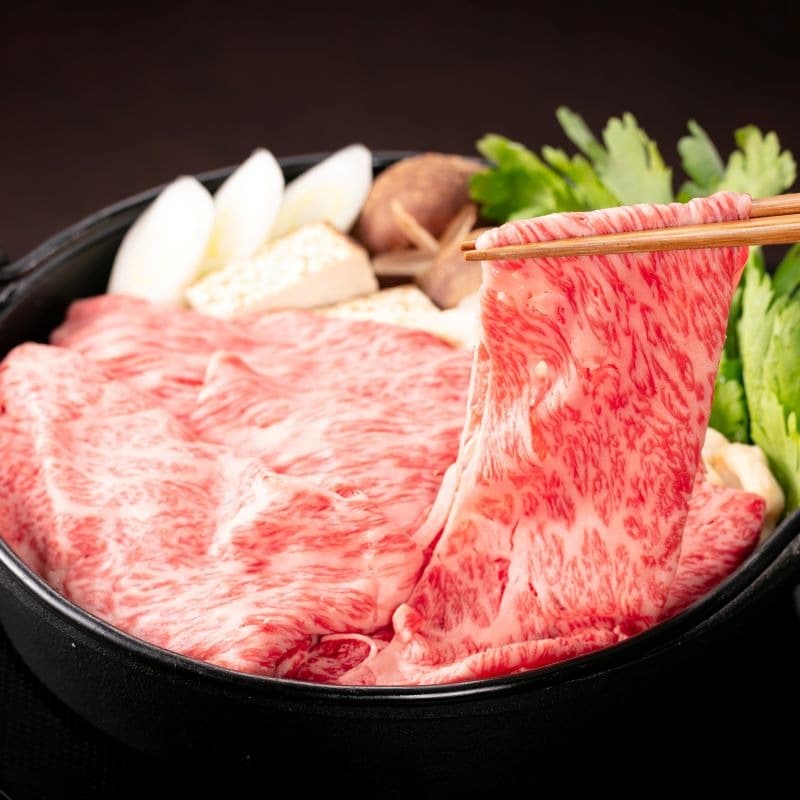
Before reserving, check whether the booking is only for seats or whether it includes a required course. Some restaurants ask guests to choose a course for every person at the time of booking. Others allow a la carte ordering after arrival. Some may have both options, depending on the day, room, party size, or booking channel.
Look carefully at whether all guests must order the same course, whether children are included in that rule, and whether additional items can be ordered on the day. A group that wants flexibility may feel differently about a fixed course than a couple planning a special dinner.
Also separate a reservation fee, deposit, card guarantee, and prepayment. A number shown on a booking page may not always be the full final meal cost. If the page is unclear, read the conditions before assuming what has been paid.
For broader restaurant booking basics, see our guide to booking restaurants in Japan.
Understand What the Price Includes
Wagyu pricing can vary widely by restaurant, region, cooking style, cut, brand, amount, course structure, and service level. A displayed price is useful only when you know what is included and what may be separate.
Check tax, service charge, drinks, extra meat, rice or side dishes, table charge, reservation or platform fees, and optional upgrades. If the restaurant offers multiple beef upgrades, check whether the quoted price uses the standard course or a higher option shown in photos.
Drinks deserve their own attention. A meal that looks clear as a food course may change once wine, sake, cocktails, or non-alcoholic pairings are added. The goal is not to avoid spending; it is to understand the expected total before the reservation becomes difficult to change.
Check the Portion and Course Structure
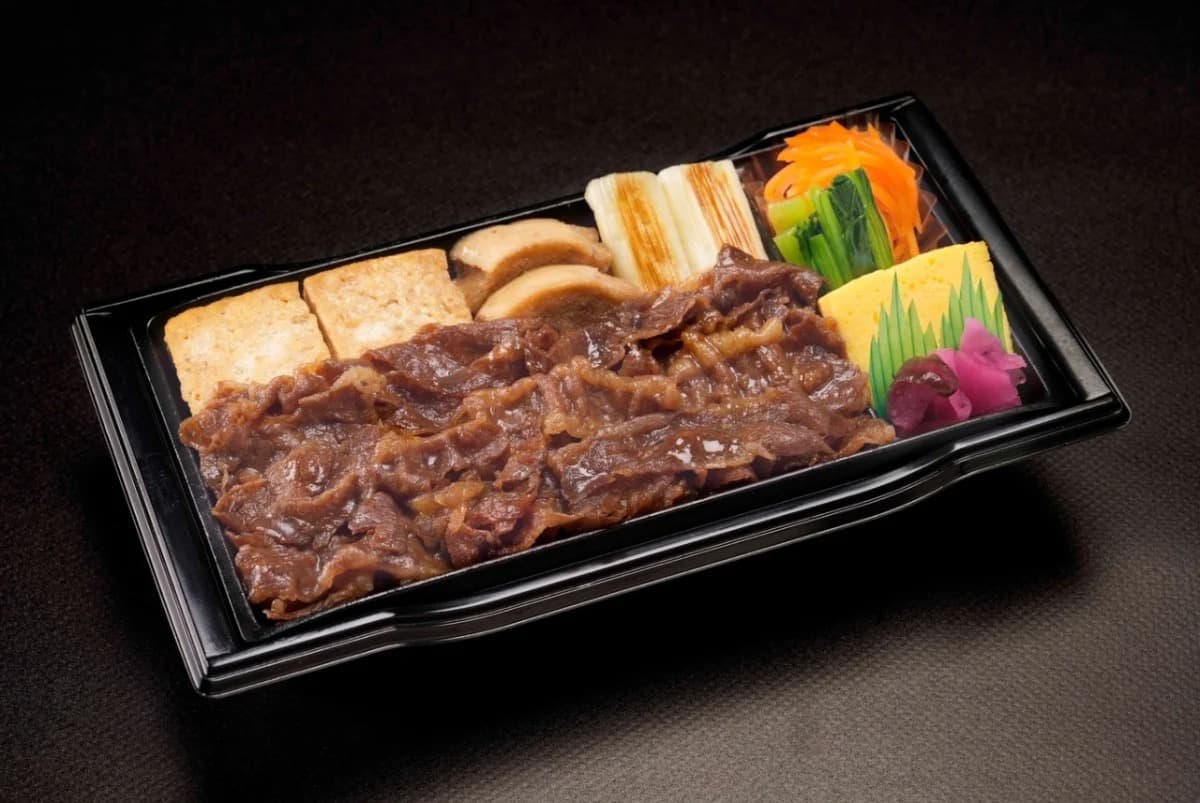
With heavily marbled wagyu, more meat does not automatically mean a better meal. A course may include appetizers, vegetables, rice, soup, dessert, or other dishes around the beef. The meat portion matters, but it is not the only way to judge the whole dinner.
Do not rely only on food photos. A dramatic close-up can make a piece of beef look larger than it is, while a modest photo may not show the full course. If the page lists grams, remember that the total experience also depends on the cooking style, number of courses, side dishes, and whether additional orders are possible.
For groups, check whether guests with different appetites can adjust. A fixed course may be comfortable for a special dinner, but less suitable if some people want a light meal and others want to compare cuts.
Allow Enough Time for the Meal
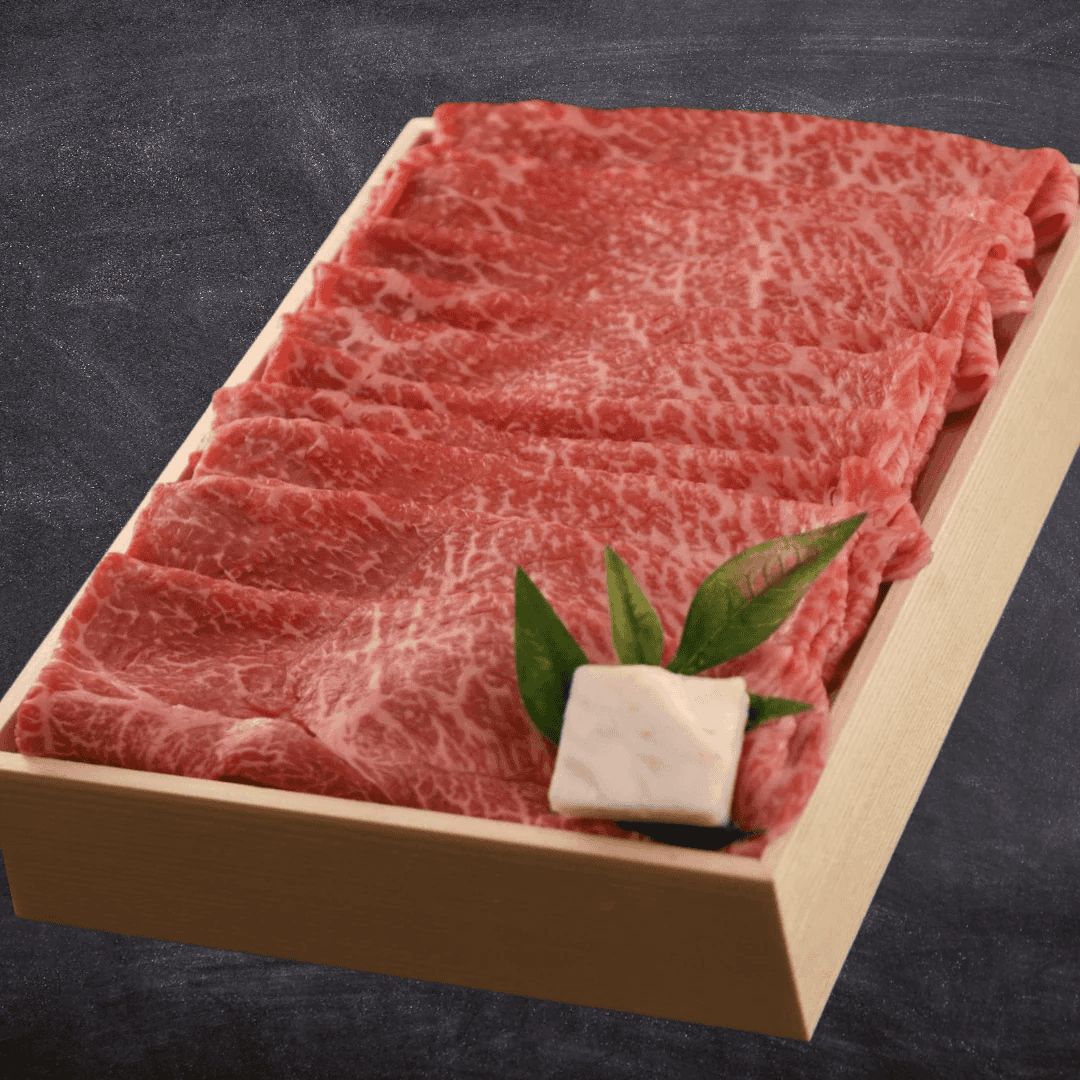
A wagyu course, teppanyaki counter, sukiyaki meal, or formal dinner may not be a quick stop between sightseeing plans. The restaurant may pace the meal by course, by grill timing, or by staff service. Do not place an important wagyu booking directly before a show, airport transfer, Shinkansen departure, or tightly scheduled tour.
Travel time also deserves a buffer. Google Maps may show the station-to-station route, but travelers still need time for station exits, underground passages, elevators, building entrances, hotel lobbies, and finding the correct floor.
Late arrival can affect the course flow or the reservation itself. Plan to arrive early enough that the meal begins calmly, especially for a special-occasion dinner.
Confirm the Seating and Dining Style
Seating can change the entire wagyu experience. A counter seat may be excellent for teppanyaki or a focused steak meal. A table may be easier for families or conversation. A private room may help a group relax, but it may also have a minimum charge or course requirement.
Check whether the restaurant uses counter or table seating, private rooms, shared grills, individual cooking, shoes-off seating, stairs, or limited accessibility. For yakiniku, check ventilation and whether guests cook the meat themselves. For sukiyaki, shabu-shabu, and teppanyaki, check whether staff cook and serve each portion or whether guests are expected to handle part of the meal.
These details are not minor if you are traveling with children, older family members, luggage, formal clothing, or guests who prefer not to cook at the table.
Check Rules for Children and Groups
Family and group rules vary by restaurant. Before booking, confirm age limits, children's menus, stroller access, whether children need to order a course, and whether the restaurant can seat the whole party together.
Larger groups should also check whether everyone must arrive at the same time, whether the restaurant requires one course for the table, and whether mixed preferences can be handled. A group where some guests want steak and others want sukiyaki may need a different restaurant than a group happy with one fixed course.
Do not assume that a restaurant is unsuitable just because it is serious or expensive. Also do not assume it is suitable because online booking accepts your party size. Confirm the conditions that matter to your actual group. If children are part of the trip, our family restaurant planning guide explains how to compare age rules, seating, meal length, route, and backup options before choosing a restaurant.
Discuss Dietary Restrictions Before Booking
A wagyu restaurant is not only beef. Sauces, broths, dipping sauces, side dishes, rice dishes, desserts, and garnishes can include soy, wheat, sesame, egg, dairy, seafood-based stock, or alcohol. Sukiyaki sauce, shabu-shabu dips, appetizers, and desserts may matter as much as the beef itself.
Beef allergy, religious requirements, severe allergies, and cross-contact concerns should be handled carefully and directly with the restaurant before booking. A booking platform note may not be enough for a serious restriction.
Japan Dining Concierge can help travelers identify questions to ask and avoid unclear matches, but we do not guarantee allergy safety, religious compliance, or restaurant acceptance. When safety is involved, direct confirmation from the restaurant is essential.
Read the Cancellation Policy Carefully
Wagyu bookings can involve expensive courses, limited seats, private rooms, or prepared ingredients. For that reason, cancellation rules may be stricter than travelers expect. Always read the policy before confirming.
Check how the restaurant handles no-shows, same-day cancellation, late arrival, prepaid bookings, and changes in party size. A reduction from four guests to three may be treated differently from a full cancellation, depending on the restaurant or booking platform.
If payment or refund happens in another currency, exchange-rate differences may also affect the amount you see on your card. Booking platforms, reservation services, and restaurants may have separate rules, so read both the platform terms and the restaurant conditions where they are shown.
Make Sure the Reservation Is Actually Confirmed
An online request is not always the same as a confirmed reservation. Some systems send an automatic receipt first, then a later confirmation. Some restaurants or platforms may ask for a reply before the booking is finalized.
Confirm the restaurant name, date, time, number of guests, course, booking number, cancellation terms, and contact method. Check whether messages will come from the restaurant, booking platform, hotel concierge, or reservation support service.
Also check the spam folder. A missed message can matter if the restaurant asks for confirmation, a course choice, a card update, or a response about dietary notes.
Fit the Restaurant Into Your Travel Day
A famous wagyu restaurant can still be a poor fit if it works against the day. Look at where you will be before dinner, how tired the group may be, how you will return to the hotel, and whether the route still feels reasonable if it rains or trains are crowded.
Think about luggage, clothing, final trains, weather, and the next morning's schedule. A long cross-city trip may be worth it for a meal you truly care about, but it should be a conscious decision rather than an accident caused by a famous name.
The goal is not to choose location over quality. The goal is to choose a restaurant you can realistically enjoy on that exact travel day.
Wagyu Booking Checklist
Before confirming a wagyu restaurant reservation in Japan, check each of these items:
- Cooking style
- Course or seat-only booking
- Total expected cost
- What is included
- Portion and course structure
- Meal duration
- Seating
- Children and group rules
- Dietary restrictions
- Cancellation policy
- Confirmation status
- Route and arrival time
When Human Checking Is Worth It
Human checking is most useful when the meal is expensive, the dinner slot is important, or the online information does not clearly answer the practical questions. It can also help when different booking sites show different details, when English information is thin, or when your group has children, dietary restrictions, accessibility concerns, or mixed preferences.
Japan Dining Concierge is a human-curated restaurant shortlist service for foreign travelers visiting Japan. We prepare a personalized PDF dining report based on your city, hotel area, travel dates, meal requests, food preferences, comfort needs, budget, and dietary considerations.
We can help compare realistic options and explain tradeoffs before you commit to a special dinner. We do not guarantee reservations, allergy handling, restaurant acceptance, or dining quality. The value is careful filtering before an important meal becomes fixed in your itinerary.
Before requesting support, travelers can also review the service policy and FAQ to understand what Japan Dining Concierge can and cannot do.
FAQ
Do I need to book wagyu restaurants in advance?
For special dinners, popular restaurants, larger groups, and course meals, advance booking is often wise. The right timing depends on the restaurant, date, party size, and meal format.
Is a wagyu restaurant booking usually for a course?
Some wagyu bookings are for a fixed course, while others may be seat-only or allow a la carte ordering. Travelers should confirm the format before reserving.
Does the booking price include the full meal?
Not always. A displayed amount may be a course price, deposit, reservation fee, or partial payment. Check tax, service charge, drinks, upgrades, and platform fees separately.
Can wagyu restaurants accommodate children?
Policies vary by restaurant. Check age limits, stroller access, children's menus, seating, and whether every guest must order a course.
Can wagyu restaurants handle food allergies?
Some restaurants can discuss allergies, but handling is not guaranteed. Severe allergies, religious requirements, and cross-contact concerns should be confirmed directly with the restaurant before booking.
What happens if I arrive late?
Late arrival may affect seating, course pacing, or whether the reservation can be held. Check the restaurant or booking platform policy before confirming.
Is Kobe beef the same as wagyu?
Kobe beef is one specific type of wagyu with its own standards. Wagyu is the broader category, so the words are not interchangeable.