Family dining decision guide
How to Choose Restaurants in Japan for Families with Children
Do not rely on a vague family-friendly label. Check your children's ages, seating, ordering rules, meal length, route, and likely waiting time before deciding whether a restaurant fits the whole family.
Choosing a restaurant in Japan with children is not about finding one universal list of child-friendly places. A restaurant that works for a teenager interested in sushi may be difficult for a toddler after a full sightseeing day.
Start with traveler fit, not ratings. The most useful choice is the restaurant that fits the children, the adults, the route, and the kind of meal the family wants that day.
Six family-fit checks
Child fit
Do the children's ages, energy, appetite, and ability to sit through the meal match the restaurant format?
Seating
Will counter, table, booth, floor, or private-room seating work for the whole family?
Rules
Are there age limits, minimum orders, fixed courses, or other current policies to confirm?
Timing
Is the expected wait and meal length realistic after that day's activities?
Route
Is the restaurant practical from the day's last stop and for the journey back to the hotel?
Backup
Is there an easier option nearby if the family is late, tired, or no longer comfortable waiting?
Family-Friendly Does Not Mean the Same Thing for Every Family
Family-friendly may describe a relaxed room, space for a stroller, table seating, shorter meals, or simply a restaurant that accepts children. Those are different qualities.
A restaurant can welcome children and still require every guest to order a course. It can offer tables but have a long wait. It can be easy with a school-age child and unrealistic with a tired toddler. Check the restaurant's current policy before visiting or booking rather than treating one label as a complete answer.
Start With Your Child's Age, Energy, and Meal Pace
Age matters, but energy and meal pace matter too. A toddler after a museum and two train changes may need an early, simple dinner. A school-age child who is curious about sushi may enjoy watching a meal being prepared. A teenager may be comfortable with a longer course if the experience is a priority.
Ask how long the family can enjoy the meal before it turns into work. Then choose a format that fits that answer. This is more useful than assuming that expensive, famous, or highly rated means better for the family.
Choose the Right Seating and Restaurant Format
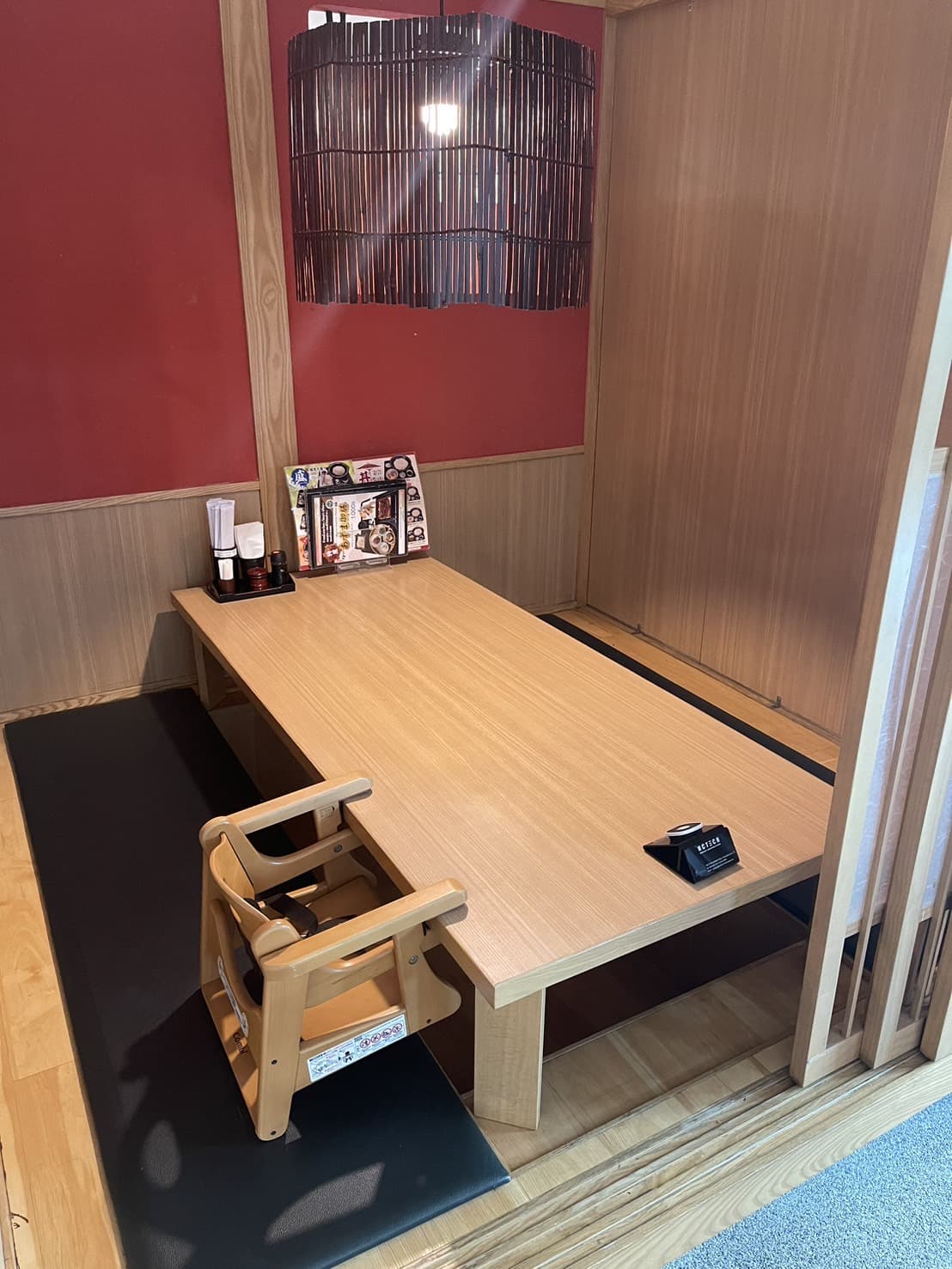
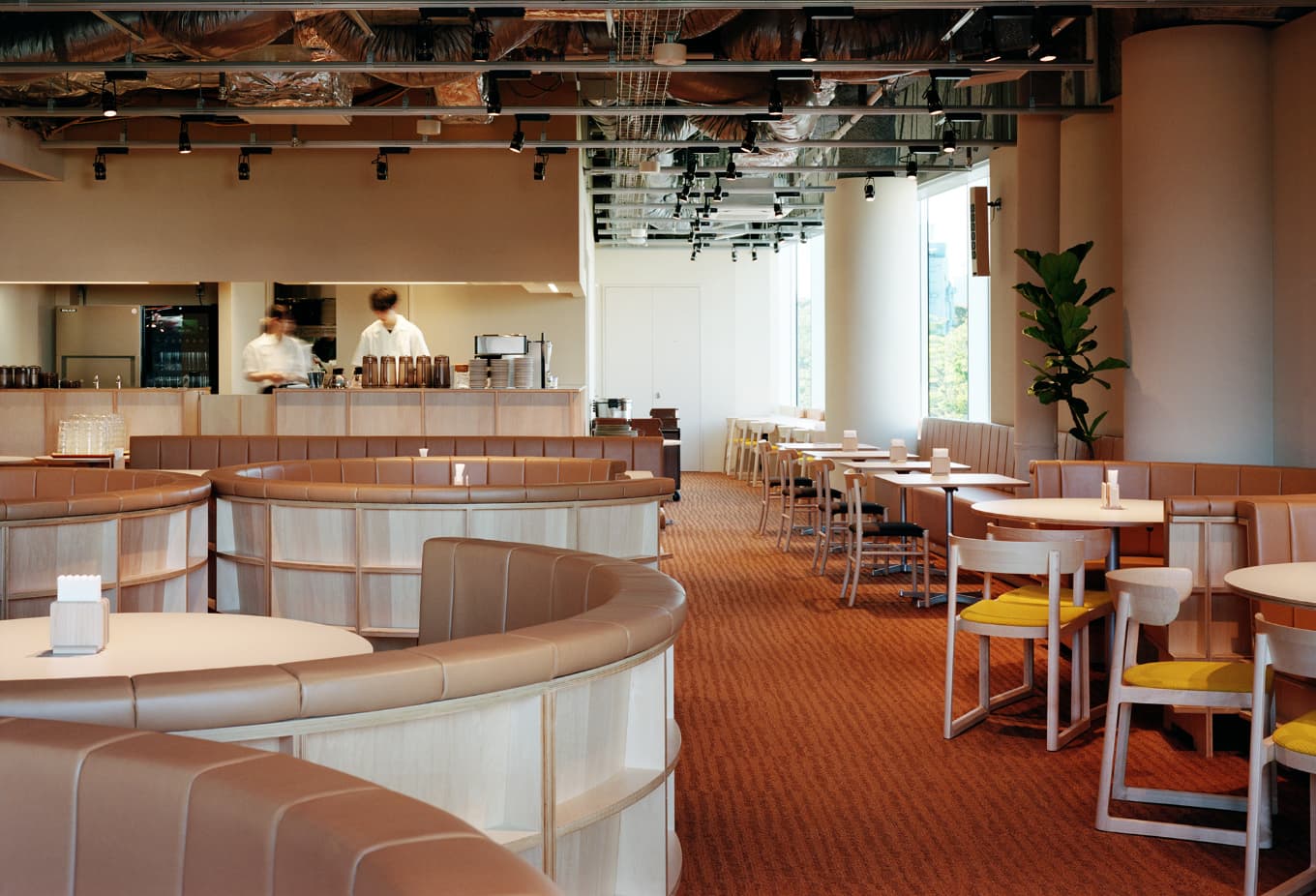
Counter seating can create a memorable view of the kitchen, but it may require children to sit still and follow the meal's pace. Tables and booths can make conversation and shared dishes easier. A private room may offer comfort, but current fees and ordering rules can still change whether it fits the family.
Also consider physical details: seat height, floor seating, stairs, space for bags, and whether the family will arrive with a stroller. Add those details to the comparison instead of treating the seating label as a complete answer.
If your family is considering a counter experience, the special sushi night guide explains how seating and meal pace change the experience.
Check Age Rules and Ordering Requirements
Important questions are often hidden in the booking conditions. Does the restaurant have a minimum age? Must every guest order a course? Is a smaller portion or children's menu currently offered? Can the family share dishes, or does the format make that difficult?
These rules can change and may differ by meal period. Confirm them before booking a special dinner. The restaurant booking guide provides a broader checklist for reservation details and cancellation conditions.
Match the Restaurant to That Day's Route
A restaurant is not a good family fit if reaching it makes the evening difficult. Look beyond the station name. Allow for station exits, transfers, stairs, weather, luggage, and the journey back to the hotel.
Parents may want one serious wagyu dinner, but forcing it into the evening after a full sightseeing day can reduce everyone's enjoyment. It may work better on a quieter day, at an earlier time, or in an area already on the route. For Tokyo, use the Tokyo restaurant choice guide to narrow options by area and timing.
Plan Around Wait Times and Dinner Hours
A long line may be manageable when the meal is the day's main event. It can feel very different when children are already hungry. Decide in advance how long the family is willing to wait and what will happen if the line exceeds that limit.
Earlier dining can reduce pressure for some families, but current opening hours and service times vary. Check them close to the visit. Do not build the evening around an assumed time from an old listing.
Separate Child-Friendly From Dietary-Safe
A restaurant that welcomes children is not automatically safe for allergies or suitable for vegetarian, vegan, halal, no-pork, or other dietary needs. A children's menu may still contain ingredients that matter to your family.
Treat dietary requirements as a separate verification step. Photos and translated menus can help with orientation, but important requirements should be confirmed directly with the restaurant. Japan Dining Concierge can identify questions and caution points, but it does not guarantee dietary compliance or allergy safety.
The Japanese menu translation guide explains why menu photos and automated translation do not show every ingredient.
Balance the Adults' Food Goals With Family Comfort
Parents do not need to abandon every serious meal. The useful question is which experience deserves more planning and what will help the children participate comfortably.
A family wanting one special wagyu dinner might choose a format with practical seating, a realistic course length, and a route that does not add unnecessary friction. A famous or local place is not automatically the best fit if the format makes the night harder than it needs to be. The wagyu dinner guide can help compare dining styles without relying only on brand names or price.
Keep One Easy Backup Near the Hotel or Station
Even a good plan can change because of weather, train delays, naps, or a child who has reached the end of the day. Save one easier option near the hotel, a major station, or the final activity.
A backup is not a lesser meal. It is a decision made before the family is tired and hungry. For late arrivals and transit days, the convenience-store food guide offers another practical option without pretending it replaces a planned restaurant experience.
A Family Restaurant Shortlist Checklist
Use this list to compare two or three realistic candidates. The goal is not to collect more map pins; it is to understand which option fits the family and the day.
- Is the location practical for that day's route, weather, and energy level?
- Does the seating format work for the children's ages and the group's comfort?
- Are there age limits, minimum orders, or course rules to confirm?
- Is the expected wait and meal length realistic for this family?
- Does the budget work for every guest, including any required orders?
- Are dietary needs confirmed separately from general child-friendliness?
- Does this meal need advance planning, or is flexibility more useful?
- Is there an easy backup near the hotel, station, or final activity?
When a Human-Curated Shortlist Helps
Family restaurant research becomes difficult when many details need to work together: hotel area, travel date, children's ages, meal priority, budget, comfort, dining style, and dietary considerations.
Japan Dining Concierge is a human-curated restaurant shortlist service for foreign travelers visiting Japan. It narrows restaurant options around the trip your family is actually taking rather than producing a generic ranking.
The service supports research and decision-making. It does not guarantee reservations, current restaurant policies, children's acceptance, or dietary accommodation.
FAQ
Are children allowed in restaurants in Japan?
Many restaurants welcome children, but policies vary. Check the restaurant's current age rules, seating, ordering requirements, and whether its meal format fits your children before visiting or booking.
Should families make restaurant reservations in Japan?
Reserve meals that matter most, especially special dinners or restaurants with limited seating. Keep some casual meals flexible so delays, weather, and children's energy do not make the trip unnecessarily rigid.
Are counter seats suitable for children?
Sometimes, but not for every child or restaurant. Consider the child's age, seat height, meal length, expected behavior, and the restaurant's current age policy. A table or booth may be easier for some families.
Do Japanese restaurants have children's menus?
Some do and some do not. Do not assume that welcoming children means offering smaller portions or a children's menu. Check the current menu and ordering rules before the meal.
How should families handle allergies or dietary restrictions in Japan?
Treat dietary safety as a separate check. Child-friendly does not mean allergy-safe, vegetarian, vegan, halal, or no-pork compatible. Confirm important requirements directly with the restaurant and keep another option available.
Is it better to eat near the hotel with children?
Not for every meal, but proximity can be valuable after a long day. A special meal may justify more travel, while an easier restaurant near the hotel can be the better fit when the family is tired.
Plan around your family
Turn restaurant research into a practical family shortlist.
Get a human-curated restaurant shortlist built around your hotel area, travel dates, children's ages, preferred meal styles, budget, comfort needs, and dietary considerations.