Tokyo restaurant planning guide
How to Choose Restaurants in Tokyo Without Getting Overwhelmed
Tokyo has more restaurant choices than most travelers can process. The useful question is not where everyone eats, but which meal fits your trip.
Tokyo is one of the most exciting dining cities in the world. It can also be one of the hardest cities for travelers to choose from.
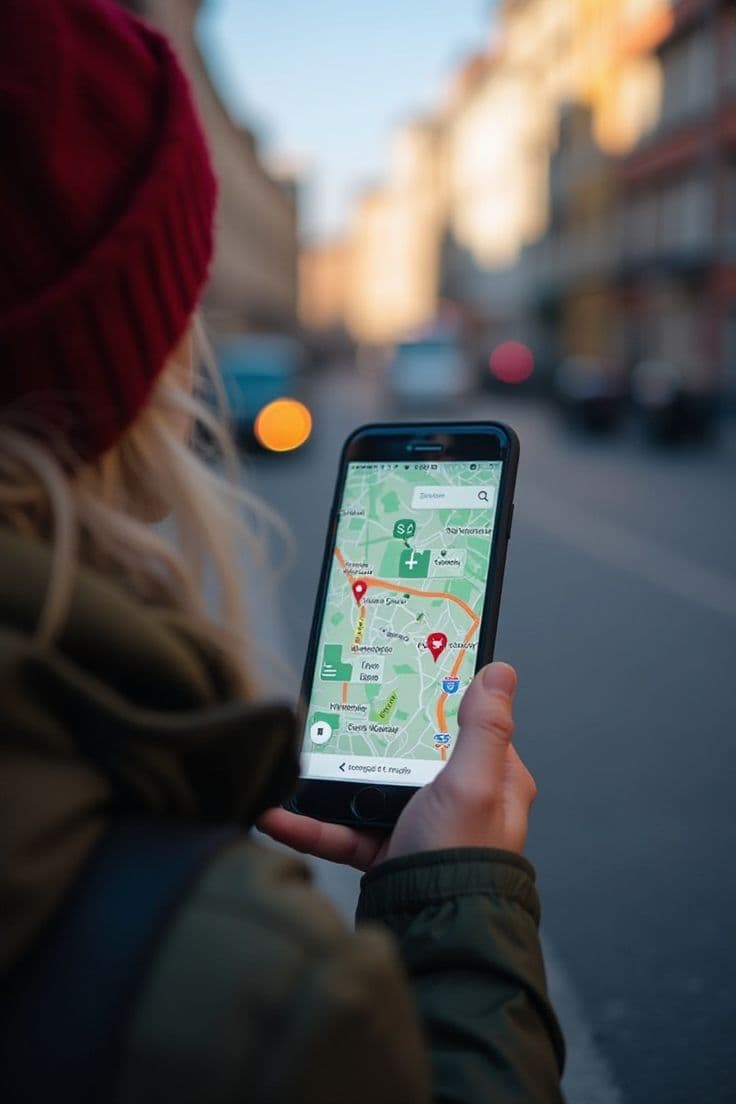
Open a map in Shinjuku, Shibuya, Ginza, Asakusa, Ueno, or Roppongi and the screen fills with options. Sushi counters, ramen shops, wagyu restaurants, izakaya, tempura, soba, cafes, department store dining floors, hotel restaurants, and small neighborhood places may all appear within a short distance.
Choice is good. Too much choice is tiring. When every listing has photos, reviews, ratings, and a different reason to go, the decision can start to feel like homework.
This guide is about narrowing Tokyo restaurants without losing the pleasure of discovery. It is not about ranking the city. It is about choosing meals that fit your route, timing, group, budget, food goal, and comfort level.
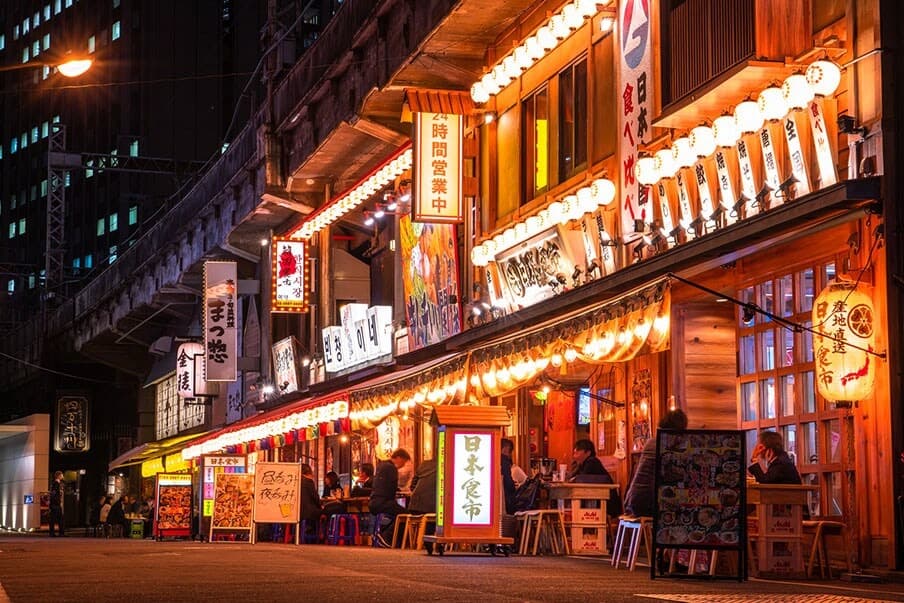
Tokyo has too many choices for one trip
A traveler does not need the full Tokyo restaurant universe. A traveler needs a small set of options that make sense for the actual trip.
That means your Tokyo dinner choice should start with the day, not the restaurant. Where will you be before dinner? How tired will your group be? Is this a special meal or a practical meal? Do you need an easier menu, more space, a predictable payment flow, or a backup near the hotel?
If you answer those questions first, the restaurant list gets smaller and more useful.

Ratings and famous lists are not enough
Ratings can be useful. Famous lists can be useful. Social media photos can be useful. But none of them knows your route, your dinner slot, your comfort level, your group, or what else is happening that day.
A restaurant can look impressive online and still be wrong for your trip if it is far from your hotel, difficult to enter with your group, too slow for your schedule, too casual for a special night, or too formal after a long sightseeing day.
Use ratings as one signal, not the decision itself.
Use six filters before you choose
When Tokyo feels overwhelming, use a practical filter before comparing individual restaurants.
| Filter | Question to ask |
|---|---|
| Area | Will this restaurant fit where you will actually be that day? |
| Timing | Is this a planned dinner, casual lunch, late arrival meal, or backup option? |
| Group | Does the seating style match your party size, children, pace, and comfort needs? |
| Budget | Does the meal style match what you want to spend for that moment? |
| Food goal | Are you looking for sushi, wagyu, ramen, izakaya, tempura, kaiseki, or something easy near the hotel? |
| Comfort level | Will the menu, ordering system, payment flow, and language situation feel manageable? |
These filters make the search smaller. Instead of asking where to eat in Tokyo, ask where to eat near your evening area, at the right time, with the right menu confidence, for the meal you actually want.
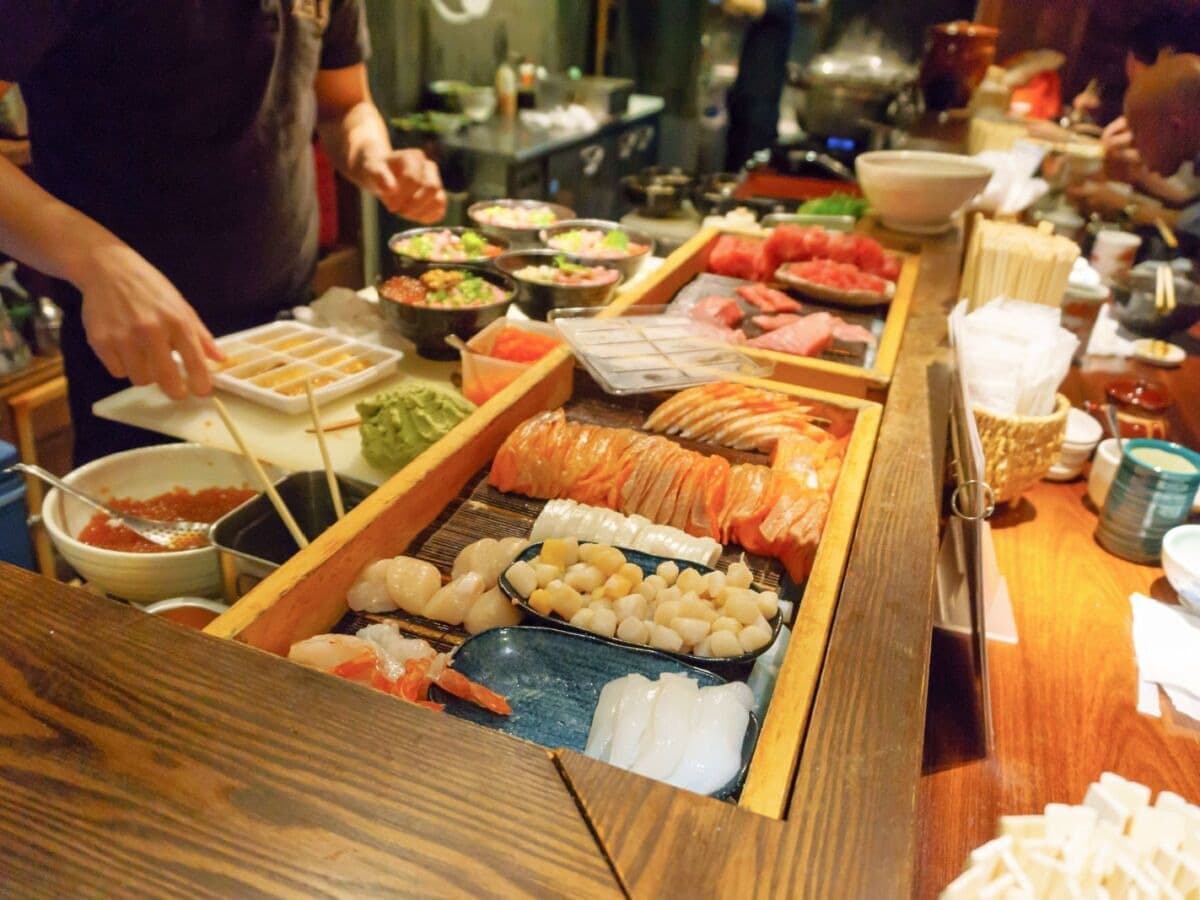
Separate planned meals from flexible meals
Not every meal in Tokyo should be planned in the same way. A calm strategy is to split meals into three groups.
Plan ahead
Special sushi, wagyu, kaiseki, tempura, birthday dinners, small counters, and meals you would regret missing.
Keep flexible
Ramen, soba, curry, casual izakaya, department store dining, cafes, and meals around sightseeing routes.
Keep as backup
Reliable options near your hotel, station, or last activity of the day in case weather, lines, or fatigue change the plan.
This protects the meals that matter, while leaving enough room for spontaneous Tokyo discoveries.
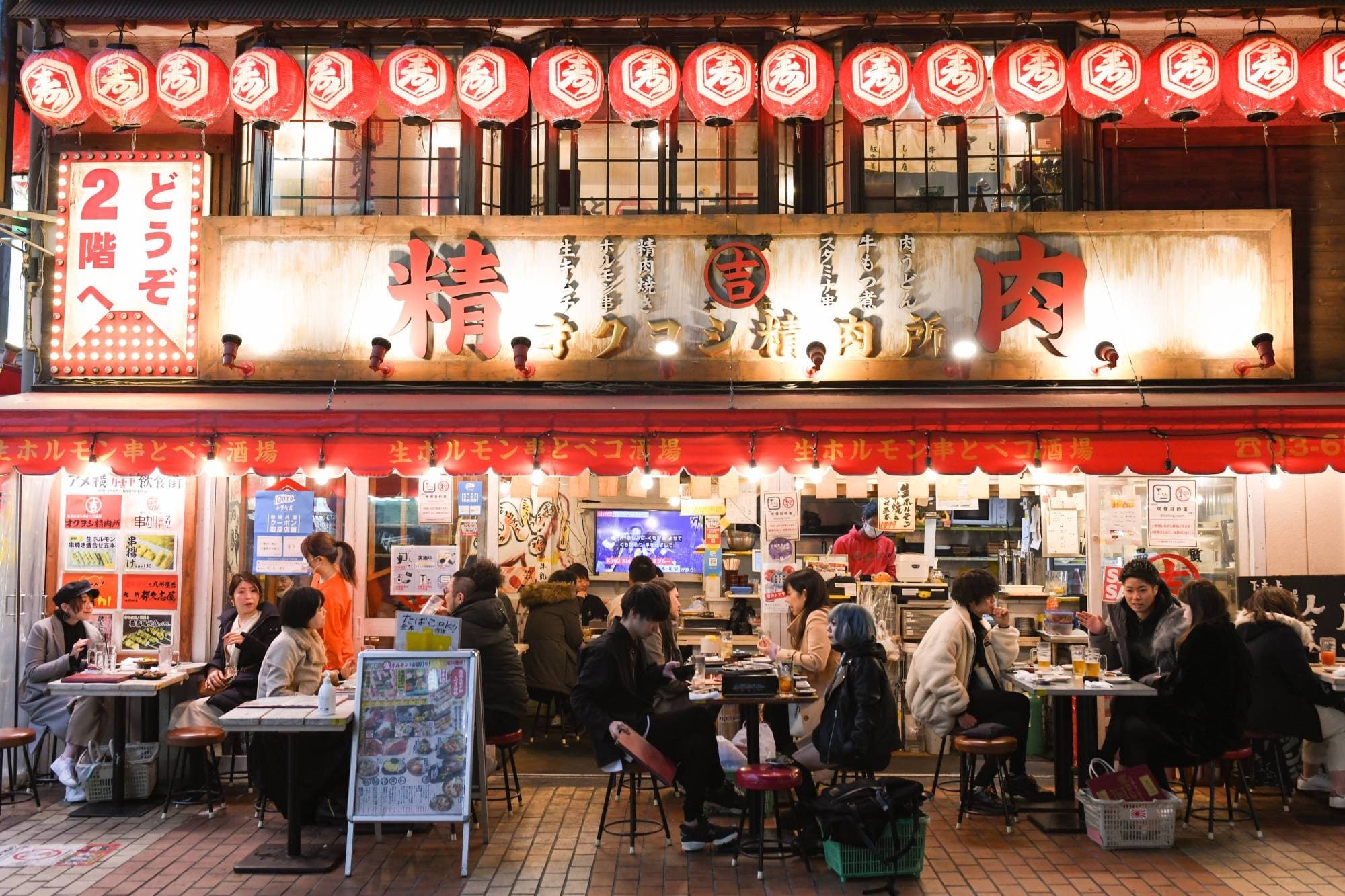
Avoid wasting limited meals
Most travelers do not have unlimited Tokyo meals. A short trip may only include a few dinner slots, and some of those may be affected by jet lag, weather, shopping, train routes, or late arrivals.
A wasted meal does not always mean a bad restaurant. It can mean the wrong place for the wrong day: a long line when your group is exhausted, a formal meal when everyone wanted something casual, or a neighborhood detour that steals time from the rest of the evening.
For broader dining questions travelers often have before a meal, see What Foreign Travelers Wonder Before Eating in Japan.
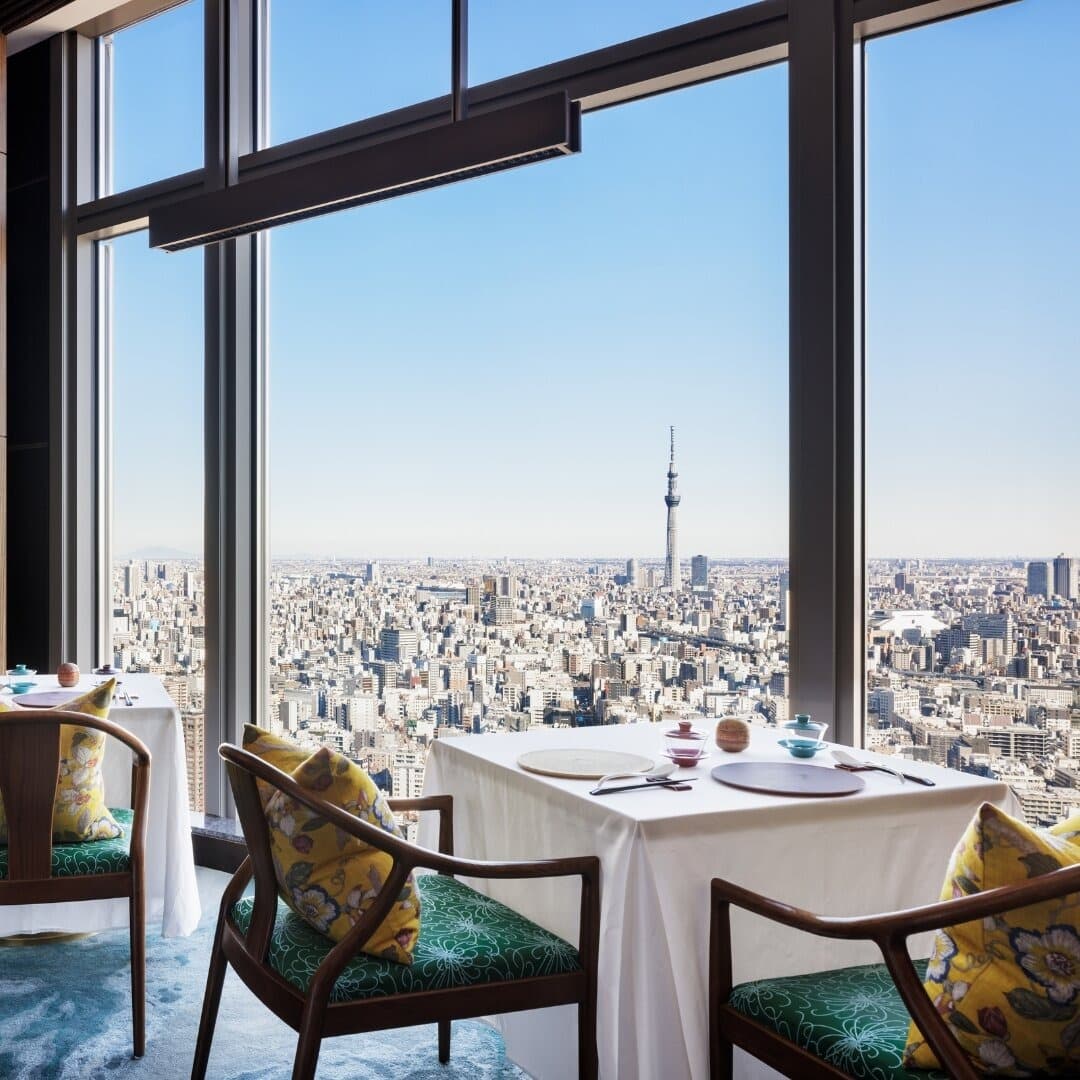
Keep backup options near your hotel or station
Backup restaurants are not a sign of weak planning. They are what keep the trip relaxed when Tokyo changes the plan.
Keep one or two options near your hotel, near a major station, or near the last activity of the day. A backup should be easy to reach, comfortable enough for your group, and simple enough that you can choose it without another long search.
This matters especially after a long travel day, rainy evening, delayed train, full museum visit, or failed walk-in attempt.
A backup does not always need to be another restaurant. On late arrivals, rainy nights, or exhausted travel days, a Japanese convenience store can also be a useful low-friction option. See our convenience store food guide for practical choices by travel situation.
When booking details matter
This guide focuses on choosing restaurants, not the mechanics of making reservations. Still, some Tokyo meals need more structure than others.
If the meal is a special dinner, a small counter, a course meal, or a restaurant with limited seating times, check the booking flow, arrival time, party size, and cancellation terms before committing.
For the reservation side, read How to Book Restaurants in Japan Without the Last-Minute Panic.
When a human-curated shortlist helps
A human-curated shortlist helps when the problem is not lack of information, but too much information. Tokyo gives travelers thousands of possible answers. The useful work is narrowing them into a small, realistic set.
Japan Dining Concierge is a human-curated restaurant shortlist service for foreign travelers visiting Japan. It prepares a personalized PDF dining report based on your city, hotel area, travel dates, meal requests, food preferences, comfort needs, budget, and dietary considerations.
It is not a generic ranking app and it is not a reservation agency. The goal is to help you choose meals that fit the trip you are actually taking.
FAQ
How should travelers choose restaurants in Tokyo?
Travelers should narrow Tokyo restaurants by area, timing, group needs, budget, food goal, comfort level, and whether the meal should be planned or flexible.
Are ratings enough for choosing restaurants in Tokyo?
Ratings can be useful, but they are not enough. A highly rated restaurant may still be wrong for your route, party size, timing, menu comfort, dietary needs, or meal goal.
Should every Tokyo meal be planned before the trip?
No. Important meals should be planned, but many casual meals are better left flexible. The goal is to protect limited meal slots without turning the trip into a rigid schedule.
What does Japan Dining Concierge do for Tokyo restaurant planning?
Japan Dining Concierge is a human-curated restaurant shortlist service for foreign travelers visiting Japan. It prepares personalized PDF dining shortlists based on route, dates, preferences, comfort needs, budget, and dietary considerations.
Plan with context
Narrow Tokyo choices into meals that fit your trip.
Preview a sample PDF or use these guide notes to turn Tokyo restaurant research into a practical shortlist. New dining guide requests are no longer accepted.