Japan dining common questions
What Foreign Travelers Wonder Before Eating in Japan
Many Japan dining mistakes do not come from bad restaurants. They come from small questions travelers did not know to ask.
Foreign travelers visiting Japan often research sushi, ramen, wagyu, tempura, izakaya, kaiseki, and famous food streets before the trip.
But the real questions usually appear closer to the meal itself.
Should we book this place?
Will it be awkward if we do not speak Japanese?
Is the line worth it?
Does this restaurant fit our route, budget, mood, and group?
These questions are normal. Japan is one of the easiest countries in the world to eat well, but it is not always easy to choose well when you have limited meals, limited time, and hundreds of restaurant options around you.
This guide covers the common dining situations that foreign travelers often think about before eating in Japan, and how to turn those worries into practical restaurant planning decisions.
Common traveler thoughts
- Do I need a reservation, or can I just walk in?
- Is this restaurant tourist-friendly without feeling touristy?
- Will the menu have English or photos?
- Am I supposed to line up, write my name, or wait outside?
- Is this place comfortable for my group, budget, and travel schedule?
- Can the restaurant handle allergies, no pork, vegetarian, or other dietary needs?
- Will I accidentally waste one of my limited meals in Japan?
I do not want to waste a meal
This is the biggest hidden worry. Travelers rarely say it out loud, but they feel it.
A one-week Japan trip may only have six or seven meaningful dinner slots. If two of them feel random, rushed, or poorly matched to the day, the regret is real.
The goal is not to make every meal expensive or famous. The goal is to match the meal to the moment. A simple ramen lunch near the station can be perfect. A quiet sushi dinner may need planning. A casual izakaya may be better than a formal course after a long sightseeing day.
Should we book, or can we walk in?
Many travelers overcorrect in one direction. Some try to book every meal and turn the trip into a timetable. Others book nothing and end up searching under pressure at peak dinner time.
A calmer approach is to reserve the meals that matter most and keep casual meals flexible. Special sushi, wagyu, tempura, kaiseki, birthday dinners, small counters, and popular restaurants may need earlier planning. Casual ramen, soba, curry, department store dining, and neighborhood meals often work better with flexibility.
If a restaurant has a fixed course, limited seats, strict cancellation terms, or a narrow dinner window, treat it as a planning meal rather than a spontaneous meal.
Is a long line a good sign?
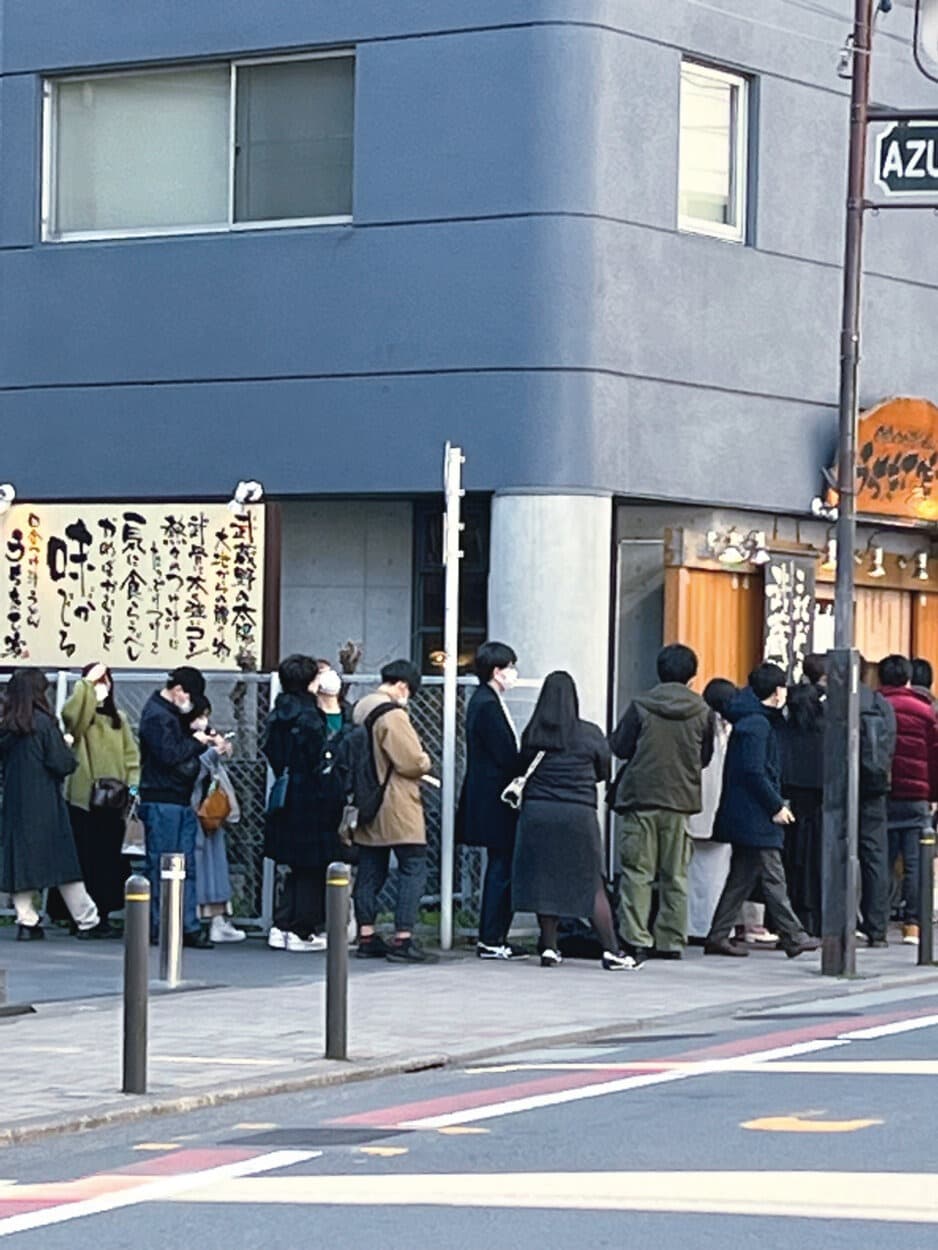
Sometimes, yes. A line can mean the restaurant is popular, well-known, affordable, or famous online.
But a line is not always the best use of travel time. If you have only one afternoon in Asakusa, Kyoto, Osaka, or Shibuya, waiting ninety minutes for a meal may not be the best trade.
Ask a more useful question: what does the line cost today? If the wait replaces another important experience, choose a backup. If the meal is the main event, the wait may be worth it.
Will it be awkward if we do not speak Japanese?
Many restaurants in Japan are kind to travelers, even when the staff do not speak much English. The awkwardness usually comes from uncertainty around the system: where to wait, whether to order at the counter, how to use the ticket machine, when to pay, and whether photos are allowed.
You can reduce that stress by choosing restaurants that match your comfort level. If your group is tired, hungry, traveling with children, or managing dietary needs, a restaurant with a clear menu, predictable seating, and easier payment flow may be a better choice than a tiny local place with no visible menu.
Is this tourist-friendly, or too touristy?
Travelers often want a restaurant that feels accessible without feeling like it exists only for tourists. That is a reasonable instinct, but the answer is not always obvious from one map listing.
Tourist-friendly can be a good thing when it means clear communication, easier booking, familiar payment options, and less stress. Too touristy becomes a problem when the restaurant no longer fits the food experience, value, or atmosphere you wanted.
The practical filter is simple: does this place solve a real travel need while still offering the kind of food and setting you came for?
Will my dietary needs be understood?
This is one of the most important questions to treat carefully. Japan can be difficult for travelers with allergies, strict vegetarian or vegan needs, no-pork preferences, halal needs, or other dietary requirements because ingredients may be hidden in broth, sauces, seasonings, and side dishes.
Do not rely only on photos, ratings, automated translation, or a casual review comment. If a dietary detail matters for health, religion, or strict personal reasons, confirm directly with the restaurant and be prepared to choose another option if they cannot confirm clearly.
Japan Dining Concierge can help travelers think through restaurant fit, menu friction, and caution points, but it does not guarantee allergy-safe, vegetarian, vegan, halal, no-pork, or other dietary compliance.
What does the price include?
Prices in Japan can be clear in casual restaurants and more complex in special dining settings. A course price may not include drinks, service charges, table charges, supplements, tax handling, or cancellation fees. A casual restaurant may be simpler, but payment methods can still vary.
Before booking an important meal, check the course structure, what is included, drink expectations, cancellation terms, and whether the restaurant is seat-only, course-only, or flexible.
How to read restaurant signals
No single signal tells the whole story. Use ratings, photos, queues, menus, location, and reservation rules together.
| Signal | What it may mean |
|---|---|
| A long line | The restaurant may be popular, but it can also cost you valuable travel time. |
| A high rating | Useful as one signal, but not proof that the place fits your route, group, or meal goal. |
| An English menu | Helpful for comfort, but not automatically a better or worse restaurant. |
| A small local shop | It may be excellent, but seating, payment, menu, and ordering style can be less predictable. |
| A famous dish photo | Good for expectation setting, but photos rarely explain sauce, broth, portion, or dietary details. |
A simple way to plan your meals
Start by separating your meals into three groups: must-plan meals, flexible meals, and backup meals.
Must-plan meals are the ones you would regret missing: a special sushi night, wagyu dinner, kaiseki meal, birthday dinner, or restaurant with limited seating. Flexible meals are the ones that should fit the day naturally: ramen, soba, curry, yakitori, casual izakaya, department store dining, or a cafe near your route. Backup meals are the practical options near your hotel or station when weather, fatigue, lines, or delays change the plan.
This keeps the trip structured enough to protect the important meals, but loose enough to enjoy Japan without scheduling every bite.
For early departures, late arrivals, train days, or nights when another restaurant search is not worth the effort, our Japanese convenience store food guide shows how konbini meals can work as practical backup food while traveling.
When a human-curated shortlist helps
If you enjoy restaurant research, you may only need a few practical filters. But if you are comparing too many map pins, traveling with a group, managing dietary concerns, planning a special meal, or trying to avoid wasted meals, a shortlist can save time and reduce decision fatigue.
Japan Dining Concierge is a human-curated restaurant shortlist service for foreign travelers visiting Japan. It prepares a personalized PDF dining report based on your city, hotel area, travel dates, meal requests, food preferences, comfort needs, budget, and dietary considerations.
It is not a generic ranking app and it is not a reservation agency. The goal is to help you choose restaurants that fit the actual trip you are taking.
FAQ
Do foreign travelers need restaurant reservations in Japan?
Not for every meal. Travelers should usually reserve important meals, special occasion dinners, popular counters, and restaurants with strict seating times, while keeping casual meals flexible.
Is it better to choose restaurants by rating in Japan?
Ratings can help, but they should not be the only filter. Location, timing, seating style, menu comfort, dietary needs, budget, and the kind of meal you want often matter more during travel.
Can Japan Dining Concierge make restaurant reservations?
Japan Dining Concierge is a human-curated restaurant shortlist service for foreign travelers visiting Japan. It prepares personalized PDF dining shortlists and does not guarantee reservations or restaurant acceptance.
Can travelers with dietary needs rely on menu photos or translation apps?
No. Photos and translation apps are useful starting points, but allergies, vegetarian or vegan needs, no-pork preferences, halal needs, and other strict dietary requirements should be confirmed directly with the restaurant.
Plan with context
Make your limited meals in Japan count.
Preview a sample PDF or use these guide notes to turn restaurant research into a practical shortlist. New dining guide requests are no longer accepted.