Japan convenience store food
Japanese Convenience Store Food That Works for Travelers
Convenience stores in Japan are not just emergency snacks. Used well, they can save a travel day.
A lot of Japan food advice focuses on restaurants. That makes sense, but it misses one of the most useful parts of eating while traveling in Japan: the convenience store.
A convenience store meal will not replace a special sushi dinner, a ramen lunch, or a local izakaya night. It does not need to. It helps with the moments when you arrive late, leave early, take a long train ride, get caught in rain, or simply feel too tired to compare another list of restaurants.
This guide is about using Japanese convenience stores practically: what to buy, when they are most useful, what to check before eating, and how not to waste energy on small meals during a busy trip.
When convenience store food actually helps
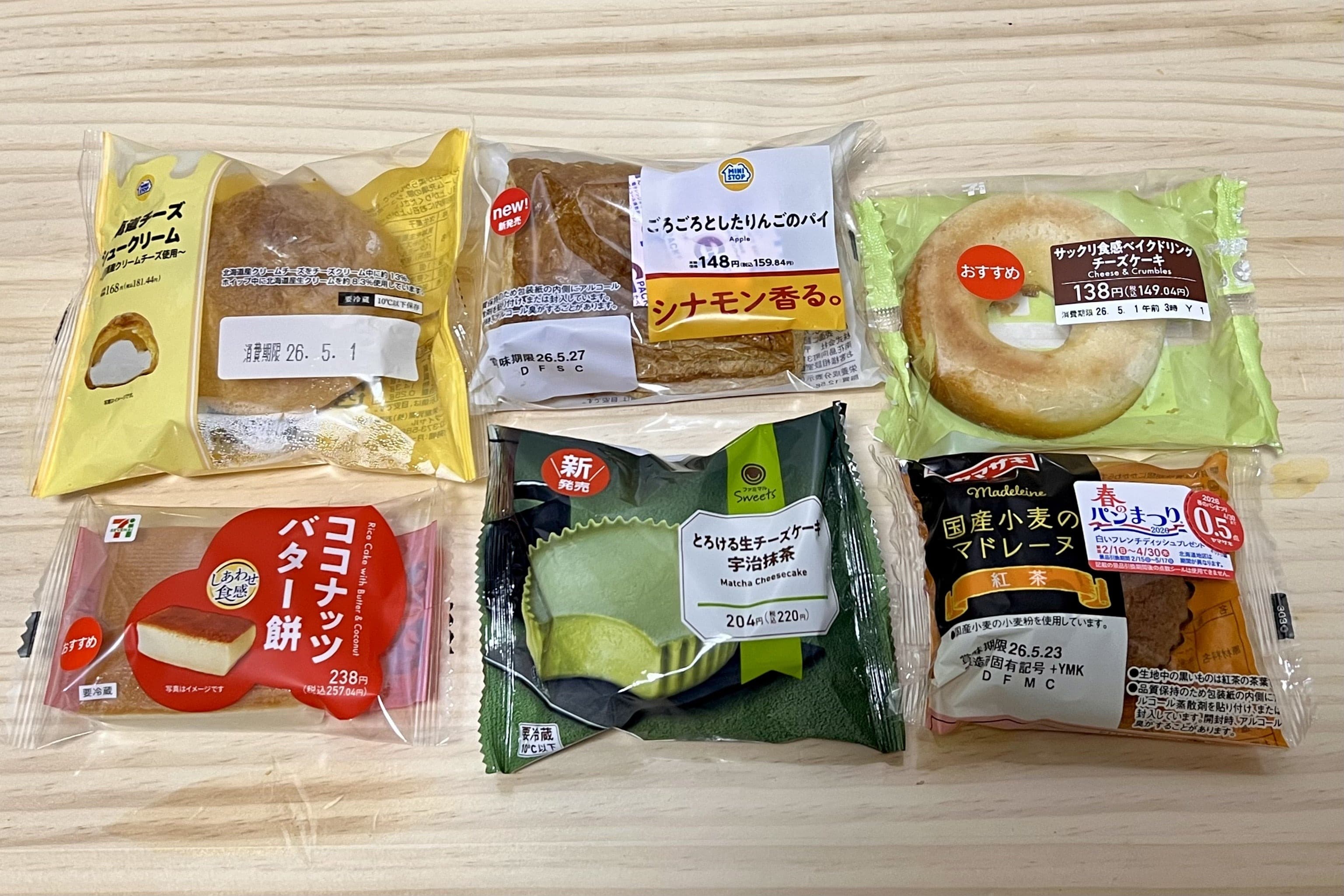
Convenience stores are best for the meals that should not control your schedule. Breakfast before an early train, a snack between sightseeing stops, a late meal after hotel check-in, or a simple backup when restaurants are crowded can all be handled without much planning.
The key is not to treat convenience stores as a replacement for Japan dining. Treat them as travel support. They protect your important meals by making the unimportant meals easier.
Quick picks by travel moment
| Moment | What to look for |
|---|---|
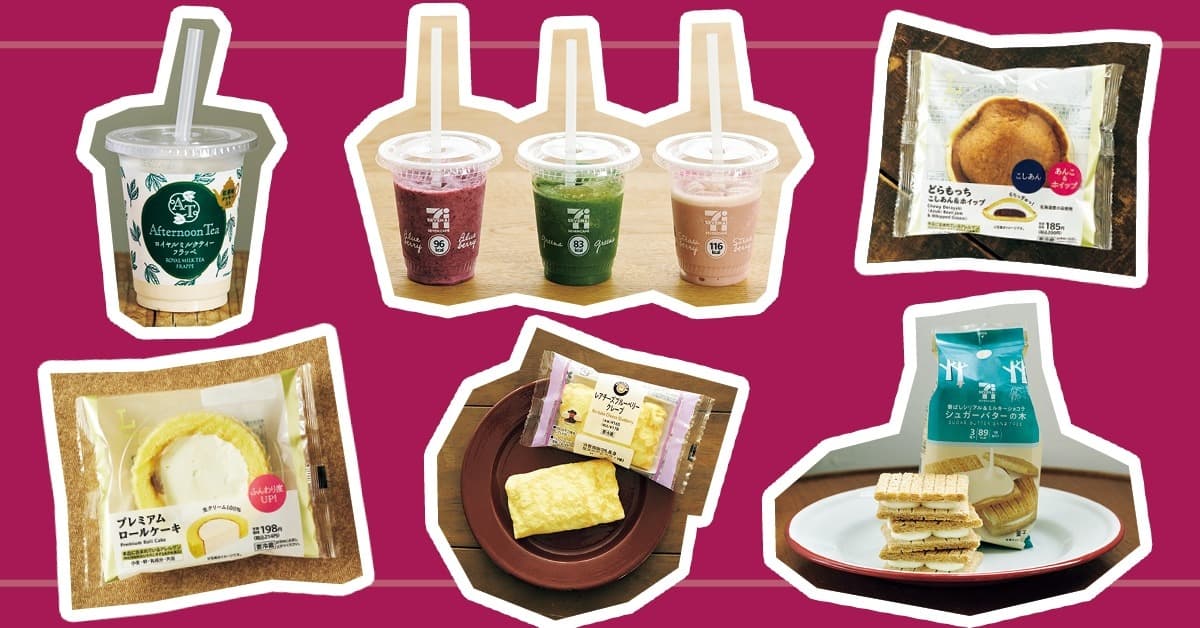
| Early breakfast | Onigiri, yogurt, boiled eggs, fruit, sandwiches, bottled coffee, tea, or water. |
| Train ride | Onigiri, sandwiches, bottled drinks, snacks, and food that is easy to eat neatly. |
| Late arrival | Bento, rice balls, soup, salad, hot snacks, or a simple dessert after hotel check-in. |
| Light meal | Salad, soup, tofu, eggs, fruit, or a small rice bowl depending on what is available. |
| Tired travel day | Choose familiar-looking items first, then add one local snack or seasonal dessert. |
Start with onigiri
Onigiri is one of the easiest convenience store foods for travelers. It is portable, usually inexpensive, and simple to eat on a travel day. Fillings vary widely, so use the package, display area, and translation tools as clues before choosing.
If you are unsure, choose a familiar-looking filling first. Then add one more adventurous item only if you have time and energy. A convenience store meal should reduce decision fatigue, not create more of it.
Bento and ready meals are useful, but check the basics
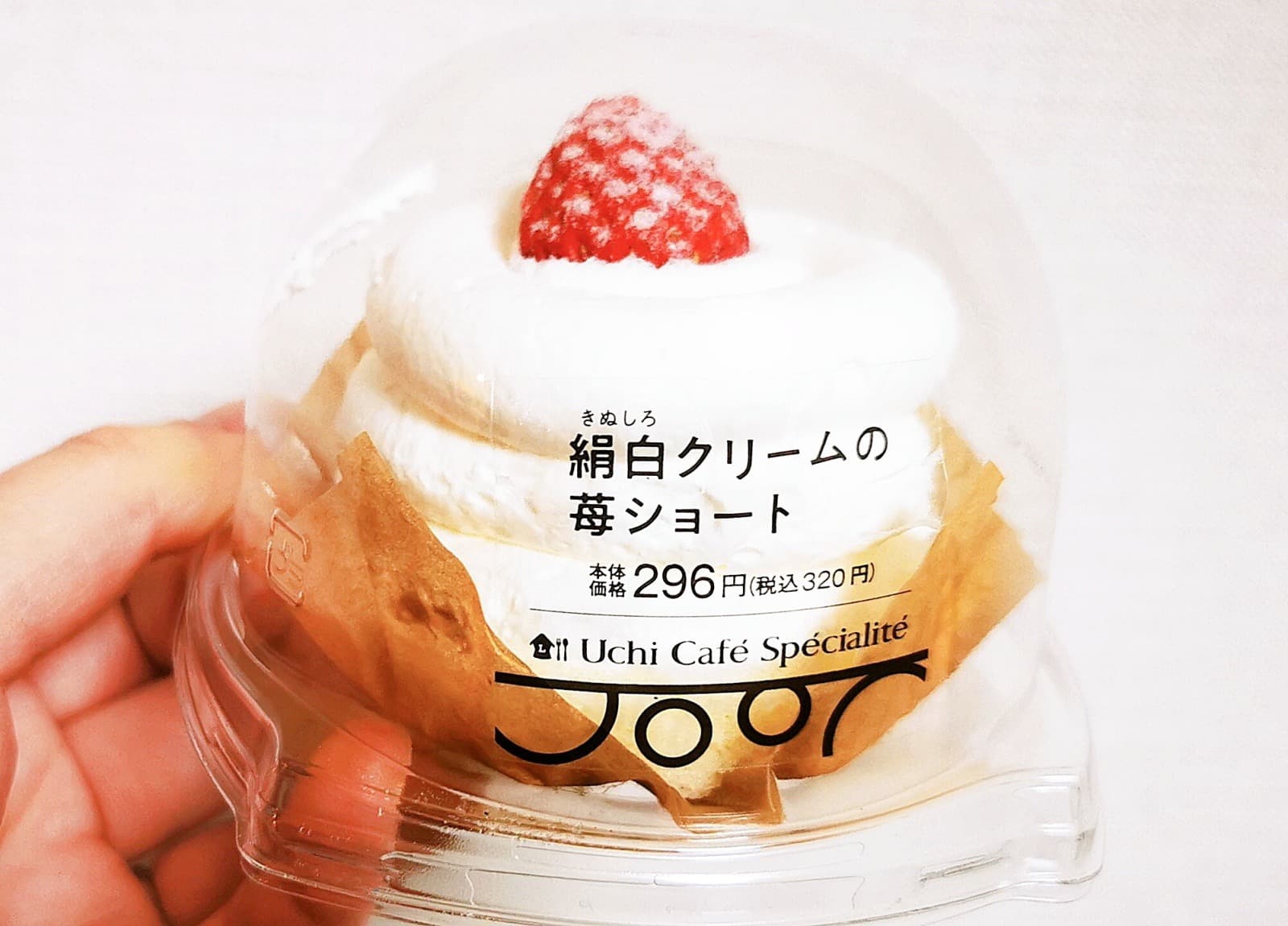
Bento, rice bowls, pasta, curry, fried chicken, salads, soups, and side dishes can be helpful when you need a real meal quickly. Before buying, check whether the item needs heating, whether it includes utensils, and whether it fits where you plan to eat.
Some foods are easy in a hotel room but awkward on a train. Some are better hot. Some are messy. The best choice is not always the most interesting item. It is the item that fits the next hour of your trip.
Use convenience stores for train days
Train days are where convenience stores become especially useful. Choose food that is compact, low-mess, and easy to finish without a full table setup. Bottled drinks, onigiri, sandwiches, small snacks, and simple sweets often work better than a hot meal with several containers.
If you want a more special train meal, stations may also have other prepared food options. But when you are short on time, a convenience store can keep the day moving.
Late-night food does not need to be perfect
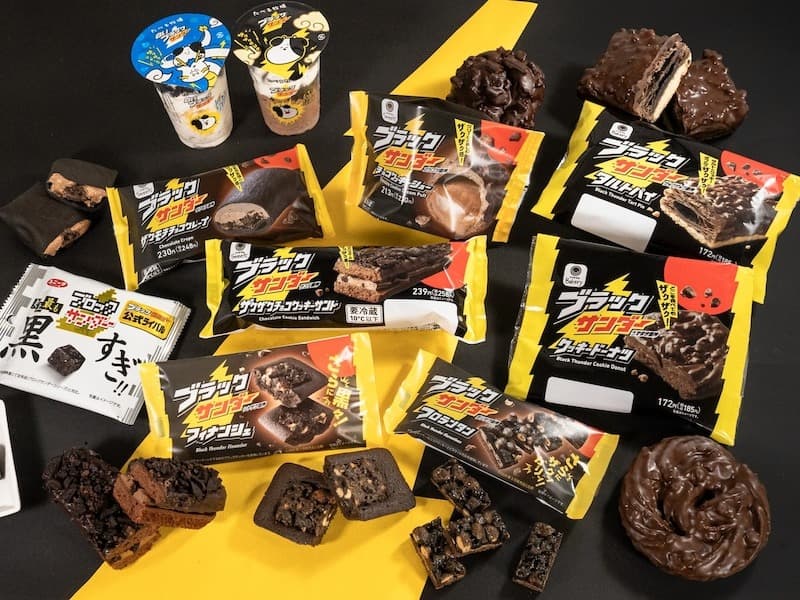
After a late flight, long train ride, or full sightseeing day, the best meal may be the one that gets you fed without another search. Convenience store food is useful because it lowers the pressure of late-night decisions.
This is where travelers often make the wrong comparison. A late-night convenience store dinner does not need to beat a restaurant. It only needs to be better than wandering hungry when you are tired.

Labels and dietary caution
Package labels and translation apps can help you understand basic ingredients, but they are not enough for strict dietary needs. Broth, sauces, seasonings, seafood extracts, pork, alcohol-based ingredients, wheat, soy, egg, dairy, and other allergens may not be obvious from the front of the package.
If you have allergies, vegetarian or vegan needs, no-pork preferences, halal needs, or another strict requirement, do not rely only on visual guessing or machine translation.
For restaurant menus, the Japanese menu translation guide explains why direct translation can still miss important details.
What not to expect from convenience store food
Convenience store food is practical, not a full picture of Japanese dining. Do not judge Japan food culture only by a packaged meal. Use it for the right purpose: travel support, quick comfort, breakfast backup, late-night food, and small gaps between planned meals.
If a meal matters emotionally, socially, or financially, plan it separately. If a meal simply needs to keep the day moving, the convenience store may be exactly right.
FAQ
Is Japanese convenience store food good enough for travelers?
Yes, it can be very useful for breakfasts, train rides, late arrivals, quick snacks, and days when restaurant research feels tiring. It should not replace every meal, but it can protect your schedule.
What should travelers buy first at a convenience store in Japan?
Start with simple items such as onigiri, sandwiches, bottled drinks, yogurt, boiled eggs, fruit, soup, or a bento that looks easy to understand.
Can convenience store staff heat food for travelers?
Many convenience stores can heat eligible items, but the exact process depends on the store and product. Look for microwave-friendly packaging and ask politely if you are unsure.
Should travelers rely on convenience store labels for dietary needs?
No. Labels and translation apps can help, but strict allergies, vegetarian or vegan needs, no-pork preferences, halal needs, and other dietary requirements should not rely only on package translation.
Keep the trip easy
Save your planning energy for the meals that matter most.
Use convenience stores for the practical gaps, and keep your special dining moments separate. For restaurant planning, start with the eating in Japan guide.