Japan wagyu dinner guide
How to Choose a Wagyu Dinner in Japan
Wagyu can be one of the most memorable meals of a Japan trip. It can also be one of the easiest meals to choose badly if you only look for the word "wagyu".
Many travelers arrive in Japan with one simple food goal: eat wagyu. The word sounds specific, but the actual dining experience can vary widely. A quiet steak counter, a lively yakiniku table, a sukiyaki course, a teppanyaki dinner, and a casual wagyu rice bowl are not the same kind of meal.
That difference matters when the meal is expensive, the trip is short, and dinner has to fit around hotels, sightseeing, children, weather, trains, and energy level. The best wagyu choice is not always the most famous name or the highest price. It is the restaurant that fits the meal you actually want.
This guide explains how to choose a wagyu restaurant in Japan by cooking style, budget logic, route, timing, atmosphere, and the kind of dining memory you want from the night.
Wagyu Is Not One Single Experience
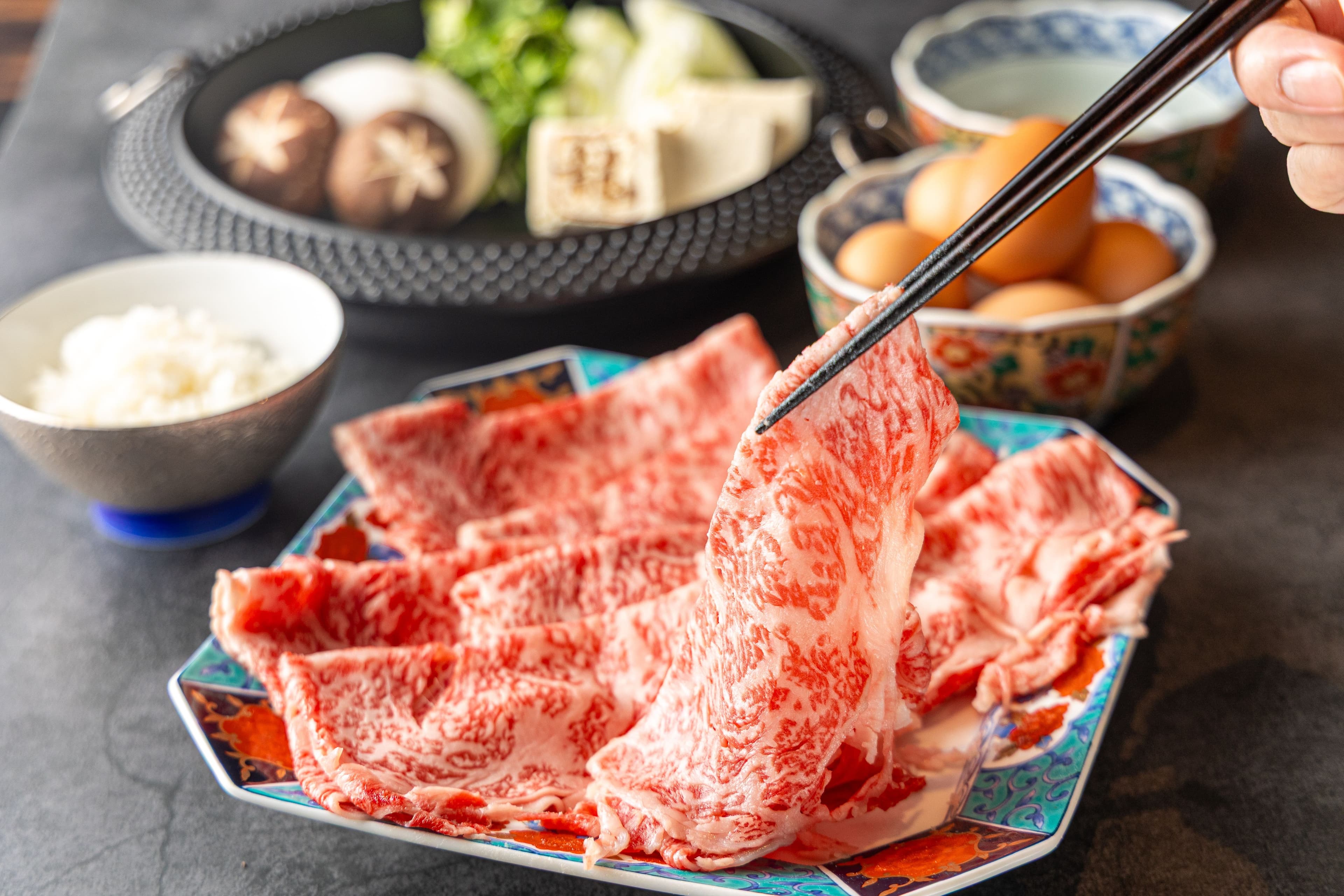
Wagyu is a type of Japanese beef, but a wagyu dinner is not one fixed format. The same broad word can appear on a steak menu, a yakiniku menu, a sukiyaki course, a shabu-shabu pot, a teppanyaki counter, a burger, a curry, or a rice bowl.
This is why choosing by the beef name alone can lead to a mismatch. One traveler may want a slow special-occasion dinner with polished service. Another may want an interactive meal where the group cooks different cuts together. Another may want a simple lunch that introduces wagyu without turning the whole day around it.
Start With the Kind of Meal You Want
Before comparing restaurants, decide what role the meal should play in your trip. Is this a birthday or anniversary dinner? A first-night arrival meal? A food-focused highlight after a quiet afternoon? A family meal? A casual introduction before a larger dinner later in the trip?
A special-occasion dinner may justify a longer course, formal pacing, and earlier booking. A family or group meal may need table seating, flexible ordering, and a location that is easy to reach. A casual introduction may work better at lunch or in a less formal restaurant. None of these choices is automatically better. They are different travel situations. Traveling with children? Use the family restaurant planning guide to check whether the restaurant format fits the whole evening, not just the menu.
Choose the Cooking Style
The cooking style shapes the whole night: how long you sit, whether the meal feels interactive, how much help you need from staff, and whether the restaurant suits a couple, family, or larger group.
| Style | Best fit |
|---|---|
| Wagyu Steak | Best for travelers who want the beef itself to be the center of the meal. |
| Yakiniku | Best for groups, interactive meals, and comparing different cuts at the table. |
| Sukiyaki | Best for a warm, classic Japanese dinner with a sweet-savory broth style. |
| Shabu-Shabu | Best for a lighter hot pot meal where thin slices of beef are cooked quickly. |
| Teppanyaki | Best for travelers who want counter seats, cooking performance, and a polished dinner flow. |
| Casual Wagyu Dishes | Best for a lower-pressure introduction, such as a rice bowl, curry, burger, or lunch set. |
Wagyu Steak
Wagyu steak is usually the clearest choice when you want the beef itself to be the main event. The question is not only the brand or cut, but also portion size, doneness, side dishes, course structure, and how formal the room feels.
Yakiniku
Yakiniku is useful when you want variety and a more active table. Guests usually grill pieces of meat themselves or with some staff help. It can be excellent for groups, but you should check smoke, seating, ordering rules, and whether the restaurant is comfortable for everyone in the party.
Sukiyaki
Sukiyaki is a classic Japanese hot pot style with thin beef cooked in a sweet-savory seasoning. It can feel warm, traditional, and memorable. Check whether the restaurant serves a fixed course, whether staff cook at the table, and how long the meal is expected to take.
Shabu-Shabu
Shabu-shabu is often lighter than sukiyaki. Thin slices of beef are briefly cooked in hot broth and eaten with dipping sauces. It can work well for travelers who want wagyu without a heavy steak dinner, but sauce ingredients and broth should be checked for dietary needs.
Teppanyaki
Teppanyaki usually adds performance and counter atmosphere. The chef, grill, timing, and service flow become part of the experience. It can be a good special-occasion format, but travelers should check the course length, counter seating, and whether the atmosphere fits the group.
The Beef Name Is Only Part of the Decision
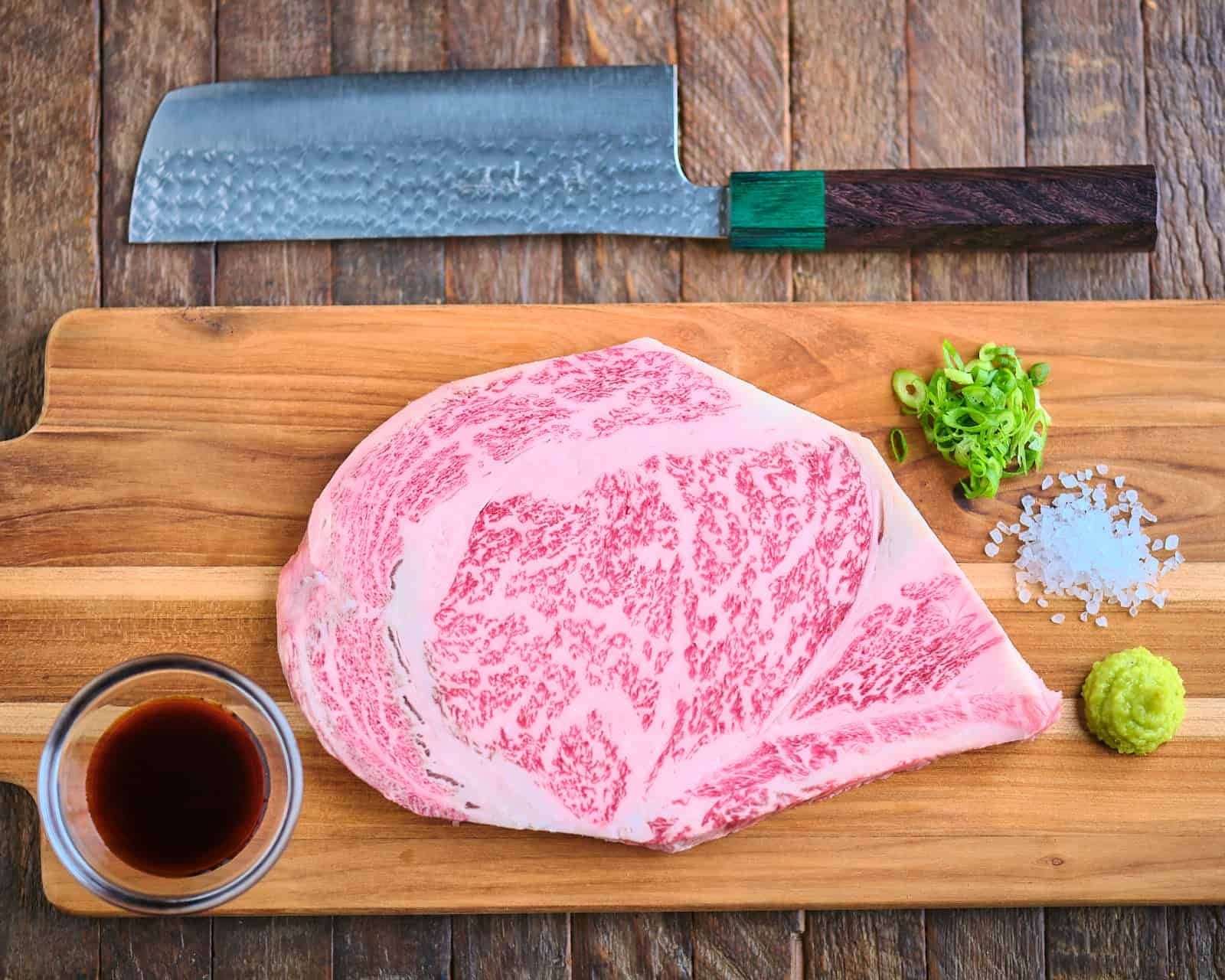
Famous beef branding can be meaningful, but it does not guarantee that a restaurant fits your trip. Kobe beef is one example of wagyu, not a synonym for all wagyu. Other regional names and grading language can also appear on menus, but those details do not automatically answer the travel questions.
A restaurant may serve impressive beef and still be wrong for your night if it is too far away, too formal, too slow for the schedule, difficult with children, hard to book, or poorly matched to your budget. Suitability comes from the whole experience: cooking method, service style, portion size, location, timing, atmosphere, and comfort.
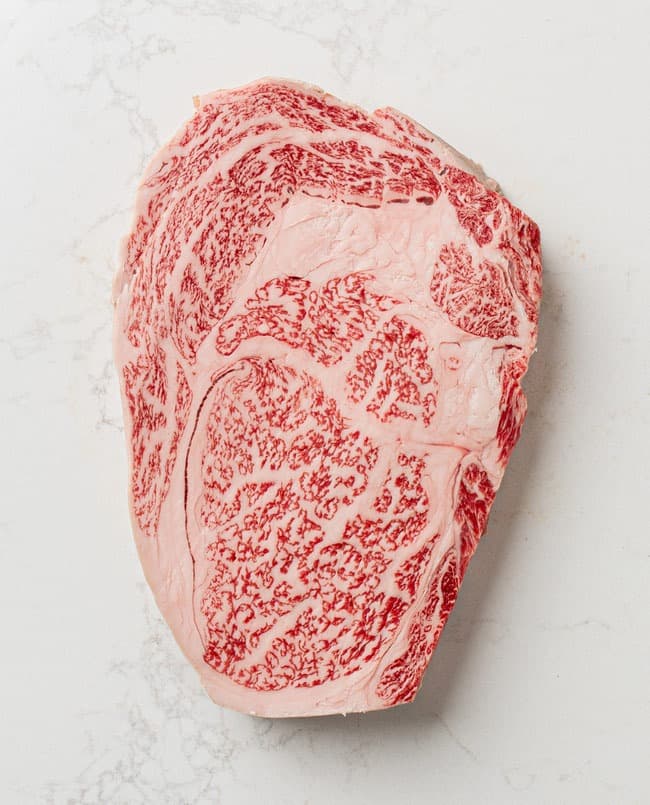
A5 grading and heavy marbling can signal a rich, premium style, but richness is not the same as universal suitability. Some travelers want a small, luxurious portion. Others may prefer a lighter cooking style, a different cut, or a course that leaves room for the rest of the evening.
What to Check Before You Book
Wagyu restaurants can have specific booking conditions. Before entering payment details or confirming a course, slow down and check the practical details.
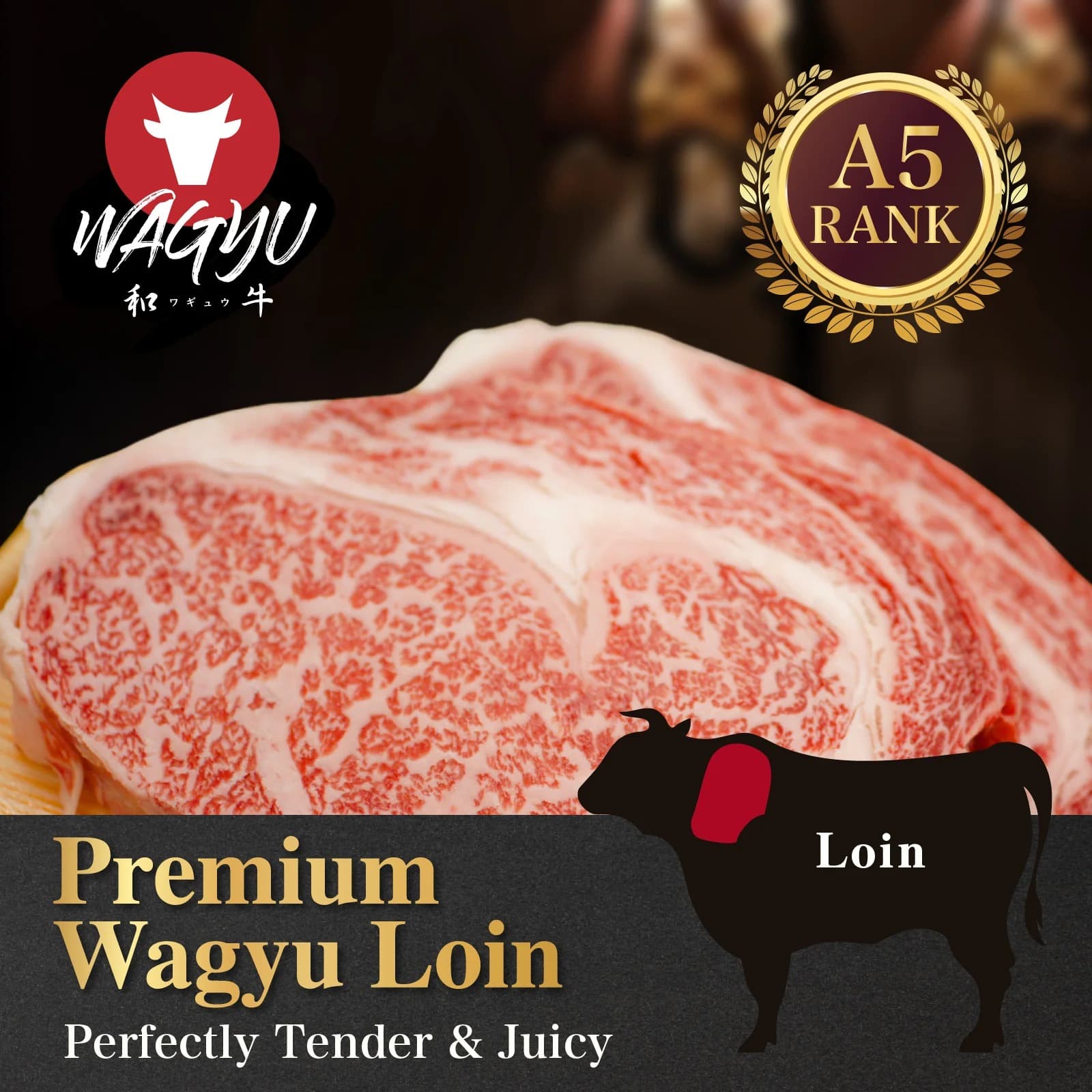
Menu labels such as A5, loin, sirloin, fillet, brand name, or course grade are useful clues, but they still need context: portion size, cooking method, total course structure, service charge, and whether the meal fits your group.
- Is the meal a set course, a la carte, or both?
- Is there a minimum order or required course?
- How long does the meal usually take?
- Will you sit at a counter, private room, or regular table?
- Does the restaurant allow children or larger groups?
- Can dietary restrictions be handled, and what must be confirmed directly?
- What is the cancellation policy?
- Which payment methods are accepted?
- Can the reservation be made online?
If the booking page is difficult to understand, read our restaurant booking guide for Japan before confirming anything that involves a course, card guarantee, or cancellation rule.
How Much Should You Spend?
Wagyu prices vary by cut, grade, restaurant format, city, course structure, service level, and location. A small steak lunch, a yakiniku dinner, and a formal teppanyaki course may all include wagyu, but they are not priced or experienced in the same way.
The highest price is not automatically the best fit. A very expensive course can be the wrong choice if your group wants a relaxed meal, if the portion size is not what you expect, or if the dinner forces a long cross-city trip after a tiring day. Spend for the experience you actually want, not just for the prestige of the beef name.
Fit the Restaurant Into Your Actual Travel Day
A good wagyu restaurant in the wrong place can create friction. Tokyo, Kyoto, and Osaka all reward practical planning. Check where you will be before dinner, how long it takes to reach the restaurant, whether you need to return to the hotel afterward, and whether the meal length fits your energy level.
Avoid choosing a restaurant only because it is famous. If the meal is genuinely worth a longer trip, plan the day around it. If it is simply a nice dinner, choose a place that supports the route instead of fighting it.
Common Wagyu Restaurant Mistakes
- Choosing by the word wagyu alone.
- Assuming Kobe beef and wagyu mean the same thing.
- Booking an expensive course without checking portion size or duration.
- Assuming every wagyu restaurant suits children or groups.
- Choosing a restaurant that does not fit the day's route.
- Relying only on viral social media images.
Viral images are especially risky as the only source. They can show a dramatic slice of beef without explaining course length, seating, price logic, access, booking rules, or whether the restaurant fits a traveler's actual day.
A Simple Wagyu Dinner Checklist
- Choose the role of the meal: occasion, casual dinner, group meal, or food-focused highlight.
- Pick the cooking style before comparing restaurants.
- Check route, timing, and transport after the meal.
- Confirm course format, seating style, and meal duration.
- Check cancellation rules before entering card details.
- Confirm dietary requirements directly with the restaurant.
- Avoid treating the highest price as the automatic best fit.
- Keep one backup option near the same area.
When a Curated Shortlist Helps
Human curation is useful when you have limited meal slots, special occasions, mixed preferences, children, accessibility concerns, dietary cautions, or no desire to compare dozens of similar-looking restaurants.
Japan Dining Concierge is a human-curated restaurant shortlist service for foreign travelers visiting Japan. We prepare a personalized PDF dining report based on your city, hotel area, travel dates, meal requests, food preferences, comfort needs, budget, and dietary considerations.
We do not guarantee reservations or dietary compliance. We help narrow the field, explain the tradeoffs, and point you toward restaurants that fit your actual trip instead of a generic ranking.